Genre in Film
Genre
Genre is simply a way to categorise film types based off of its different narrative elements; different genres follow certain codes and conventions that share certain similarities, such as aesthetic choices or plot structure.
Examples of the most common genres include; Action, Horror, Comedy, Sci-Fiction, Drama, Mystery, Thriller, Fantasy, and Romance.
A few quick shots from various different genre films:
It is important to both film institutions and its audiences as it groups and classifies films under categories that contain much of the same elements;
- For institutions, this allows for certain rules and guides to be set up for them to follow throughout the process of filmmaking - this facilitates targeting specific audiences which helps to sell and market the film as it is specifically targeted to them - e.g. if a production studio has made a fantasy film, posters/trailers for that film could include images of its fantastical imagery in order to convey its stylistic choices to target viewers who enjoy that genre.
- For audiences, this helps them identify what they like to watch and what genres they wish to stick to watching, this sets up certain expectations when watching different genres as it allows for a certain idea of the film to be created, which helps prevent any misconceptions or disappointment - e.g. an audience member is unlikely to be shocked by a scary viewing experience if they willingly paid to watch a horror film, therefore they are more likely to give positive reviews.
Sub-genre
Sub-genre is a particular category of larger genre, it serves the same purpose as genre - to group together specific conventions and patterns into one smaller classification, but this time within a main genre type.
They are used to target a more niche audience, this allows for more potential discussions between fans of certain genre, which creates excitement within their fanbases.
Similarly to main genre types, they are also used to eliminate any potential misunderstanding of what a film will be like - e.g. if a Psychological Horror were to just be labelled as 'Horror', perhaps a fan of Slasher Horror may watch it and be disappointed by the lack of gory deaths/main 'monster', and would write negative reviews over a film they might've otherwise enjoyed if they had the correct expectations.
Slasher horror poster:
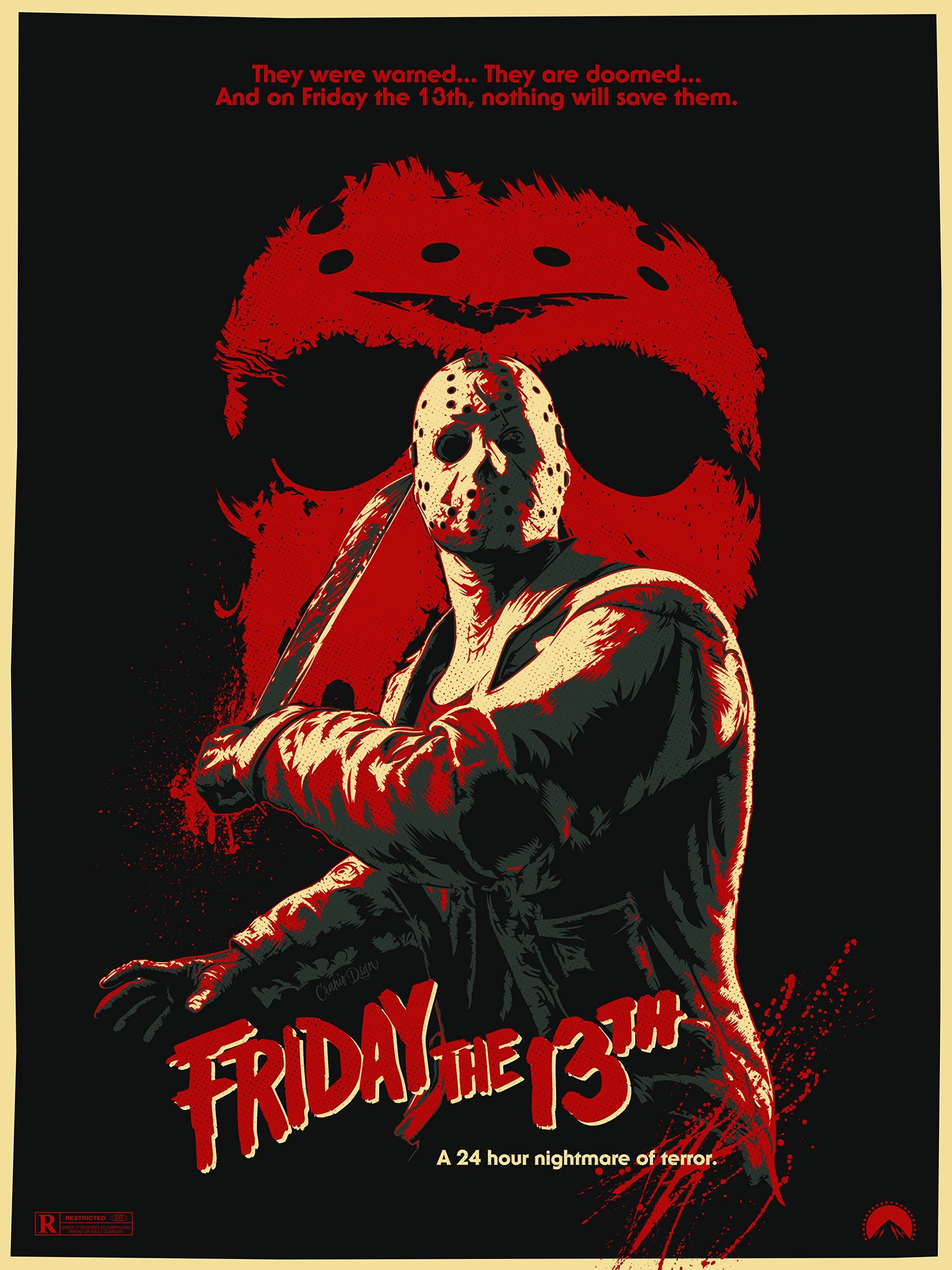
Psychological horror poster:

Hybrid Genre
Hybrid Genre consists of two main genres being combined together to create a film with elements of both. These are used in order to attract two large groups who are fans of one or the other genre, it is useful as it allows for much larger audiences - e.g. Romantic Comedies are a very popular genre as, stereotypically, the romance elements are targeted to female audience and the comedy elements to male audiences, this could attract a large number of viewers as it targets two main demographics, these could include couples.

Examples
Some associations of different genres:
- Fantasy - elements of magic and wonder, otherworldly and mystical creatures/experiences - often used for escapism, a very defined good vs evil narrative and usually includes a very prominent hero.
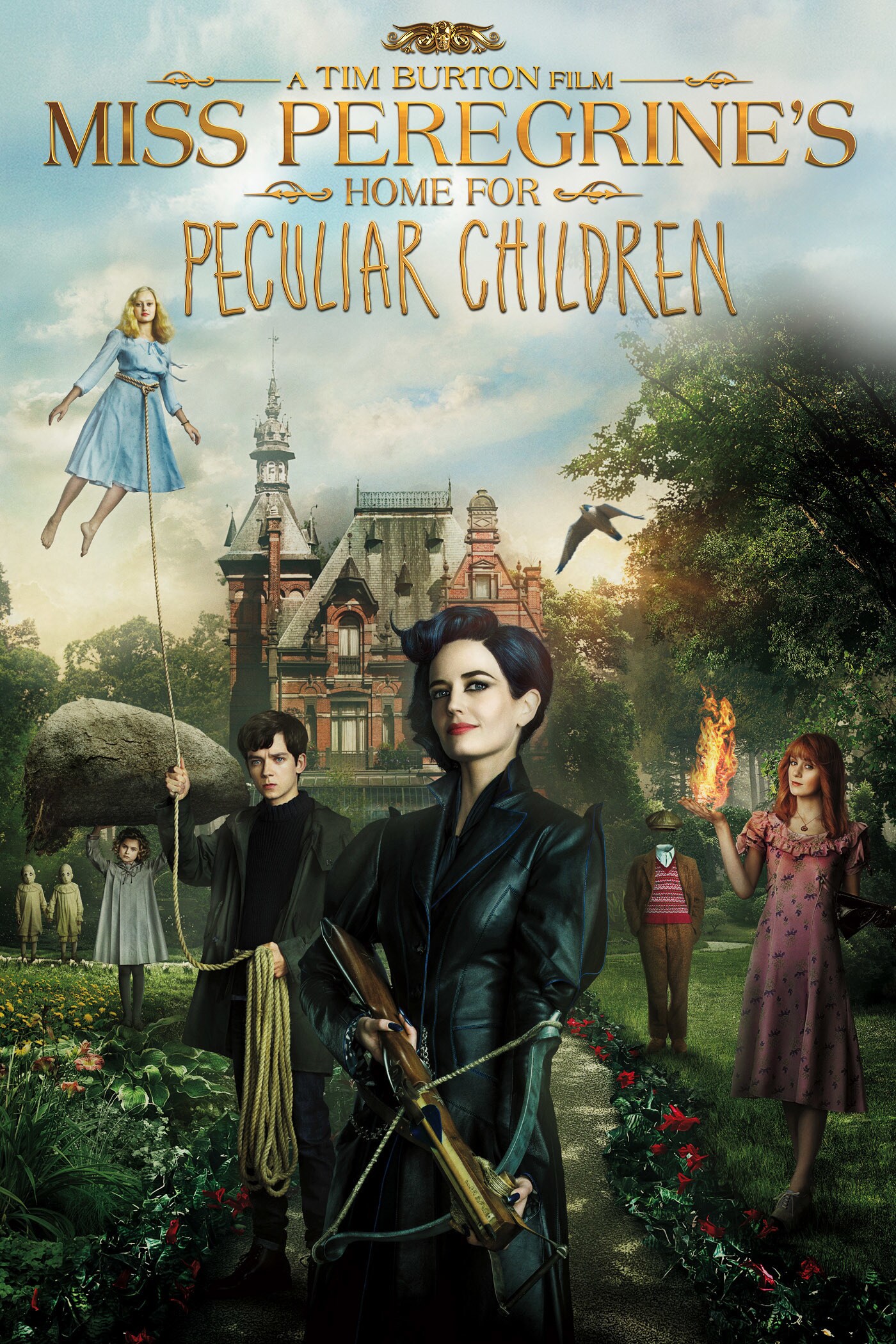

- Horror - the main goal is usually to provoke fear within the audience, common elements include jump-scares, crazed killers, paranormal entities etc...


- Science-Fiction - usually set in a futuristic world, includes anything to do with science that isn't (currently!) real, this may include elements of Time Travel, Aliens/Extraterrestrial Beings, Telepathy/Mind Control etc...


No comments:
Post a Comment